
- Home/
- Buy Stromectol in Online Pharmacy in the United States
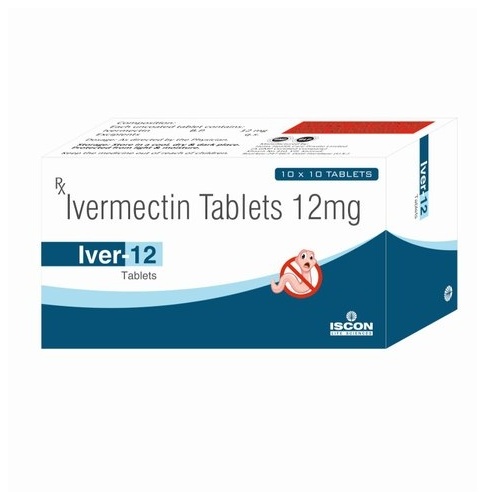
Stromectol is a prescription medication used in the United States to treat specific parasitic infections, including strongyloidiasis and onchocerciasis. Its active ingredient, ivermectin, works by paralyzing and killing certain parasites in your body. Before starting Stromectol, it’s crucial to know that this medicine is not a catch-all antiparasitic and should only be used for conditions it is proven to treat—your diagnosis and health history matter more than you might think.
When Stromectol Makes Sense in Real Life, Not Just on Paper
The waiting room is unusually quiet. You’re halfway through a magazine article when the nurse calls your name. The doctor sits down and says, “You have a parasitic infection. We’re prescribing Stromectol.”
No one expects to hear those words. But every year, thousands in the United States do—often after travel, unexplained symptoms, or a laboratory surprise. For all the attention paid to rare tropical diseases, most people prescribed Stromectol in the US are not travelers; they’re ordinary patients who never thought they’d need an “antiparasitic.”
Stromectol is not a medication you “try” on a hunch. Its use is targeted—almost surgical in its clinical precision. Approved by the US Food and Drug Administration (FDA), Stromectol is indicated for only a handful of parasitic diseases: strongyloidiasis (a roundworm infection that can quietly undermine the intestines and immune system), onchocerciasis (river blindness, almost always imported), and, in some settings, scabies or lice when standard treatments fail or cannot be used. This is not a “broad spectrum” antiparasitic: if you’re prescribed Stromectol, it’s because your doctor has a strong reason for it and few alternatives fit as well.
- Strongyloidiasis
- A threadworm infection found in the intestines, sometimes for decades, often without symptoms—until it isn’t. Stromectol is the gold standard in the US because it kills both the adults and the larvae. No other antiparasitic matches its efficacy here.
- Onchocerciasis
- River blindness, far more common outside the US but occasionally seen in returned travelers or immigrants. Stromectol suppresses microfilariae, reducing symptoms and transmission risk.
- Other Uses
- Some clinicians use Stromectol “off-label” for scabies, lice, or complicated cases of parasites when topical treatments are unsafe or ineffective. This is a decision made on a case-by-case basis—not something to request or expect without clear clinical grounds.
Why does this matter? Because patients often arrive with expectations shaped by headlines, online forums, or non-US guidelines. In the US, Stromectol’s use is tightly regulated. If your doctor prescribes it, they’re choosing it for a reason—one that traces directly to your diagnosis, not to trends. The FDA’s stance is clear: use Stromectol when its benefits are proven for your specific infection, not as a cure-all for anything remotely parasitic.
How Ivermectin Wages War Against Parasites—And Why Specificity Matters
Ivermectin, the engine inside Stromectol, doesn’t just “kill parasites.” It disrupts their nervous system, paralyzing and then destroying them. In the case of strongyloidiasis, it’s ruthless: the worms can’t move, reproduce, or evade your immune system. The body does the rest. But the beauty—and the limitation—of ivermectin lies in its selectivity. Not every parasite is vulnerable to its effect.
Alternative antiparasitics, like albendazole or mebendazole, work differently. They disrupt parasite metabolism or reproduction. Sometimes, that’s what you need. Other times, as in strongyloidiasis, their effect is incomplete. Ivermectin is chosen because the evidence shows it clears the infection more reliably, with less risk of recurrence.
Up to 90% cure rates for strongyloidiasis are reported in clinical trials with Stromectol (ivermectin) as a single-dose therapy. Albendazole rarely reaches 60% in the same setting.
That clinical edge is why the Centers for Disease Control and Prevention (CDC), FDA, and infectious disease guidelines all flag Stromectol as first-line for certain infections. But there is a catch: Stromectol’s effect fades where the parasite is outside its spectrum. For tapeworms or liver flukes, your doctor will reach for something else.
What does this mean for you? If you’re prescribed Stromectol, it’s because the parasite diagnosed is one where ivermectin has a proven, dramatic effect. Not every worm is vulnerable—and that is why the right diagnosis matters more than the drug itself. Expect results when the match is right; expect disappointment (and possible harm) if Stromectol is used for conditions outside its evidence base.
Clinical Tip: Always ask your doctor: “Which parasite do I have, and why is Stromectol the best choice for it?” This is the most important conversation you’ll have about this medication.
The Patient Experience: Taking Stromectol, Day by Day
Few medicines offer the paradox Stromectol delivers: a course so brief, it’s usually over before you’ve had time to worry about it—yet potent enough that you may feel its effects acutely, especially if your parasite burden is high.
Stromectol is almost always a single-dose or short-course therapy. The standard regimen for strongyloidiasis is one dose, repeated after two weeks in certain cases. For onchocerciasis, dosing is weight-based and may be repeated at intervals. This simplicity is part of its appeal—but it masks the complexity of what happens in your body after you swallow the tablet.
- On the day you take Stromectol, eat a light meal beforehand (unless your doctor directs otherwise) to help with absorption. The tablet is taken with water. No complex pill schedule. No weeks of adherence stress.
- Within the first 24–48 hours, most people feel nothing unusual. But if the parasite load was high, you might experience fever, rash, joint pain, or swollen lymph nodes. This is not an allergic reaction to the drug—it’s the body’s response to dying parasites, known as the Mazzotti reaction. For many, it’s a signal the medication is working.
- By day 3–7, symptoms usually resolve. For some, follow-up lab tests or exams will be scheduled to confirm the parasite has been cleared. Relapse is rare when the infection was susceptible and the diagnosis correct.
Adherence is rarely an issue—there’s little to remember after day one. But the emotional impact of a “parasitic infection” diagnosis is real. Patients often ask, “Will I feel better right away?” For most, physical improvement is subtle or invisible; what matters is what disappears from the lab report, not what you feel in your gut.
Common Mistake: Discontinuing follow-up because you feel fine. Some parasites, especially strongyloides, can lurk for years. Always complete recommended checks—even if you’re asymptomatic.
Stromectol vs Other Antiparasitics: A Decision That Is Never Generic
It’s tempting to think of medicines in classes: “antibiotics,” “antiparasitics,” “antifungals.” But within antiparasitics, especially in the United States, the choice is neither class-based nor generic. It is infection-specific, based on evidence, regulatory status, and individual risk factors.
| Attribute | Stromectol (ivermectin) | Albendazole | Mebendazole |
|---|---|---|---|
| FDA-Approved Indications (US) | Strongyloidiasis, Onchocerciasis | Neurocysticercosis, Hydatid disease, some roundworms | Pinworm, whipworm, roundworm, hookworm |
| Mechanism of Action | Paralyzes and kills targeted parasites via glutamate-gated chloride channels | Disrupts parasite energy metabolism | Blocks glucose uptake in worms |
| Typical Duration | Single dose or short course | Several days to weeks | 1 to 3 days, repeated for some infections |
| Effectiveness in Strongyloidiasis | ~90% cure rate (first-line) | ~60% (second line) | Not recommended |
| Common Side Effects | Headache, dizziness, Mazzotti reaction | Gastrointestinal upset, liver enzyme elevations | Abdominal pain, diarrhea |
| Monitoring Needs | Minimal; watch for Mazzotti or rare neuro effects | Liver function and blood counts | Rarely needs labs |
| Prescription Status (US) | Prescription only | Prescription only | Prescription only |
| Cost/Insurance Coverage | Low to moderate; covered by most plans | Low; generally covered | Low; generally covered |
What does this mean in practice? Stromectol (ivermectin) is the drug of choice for strongyloidiasis and onchocerciasis because its cure rates are higher, side effects typically milder, and dosing simpler than alternatives. Albendazole and mebendazole play critical roles in other parasitic diseases but are not interchangeable with Stromectol—especially for infections where efficacy differences may mean the difference between cure and chronic infection. If cost is a concern, generic ivermectin is available, and most US pharmacies can dispense it with a valid prescription. Insurance plans generally cover it when used for FDA-approved indications.
Insurance Tip: Coverage for Stromectol is almost always restricted to FDA-approved uses. If your doctor recommends it for a non-standard infection, expect to discuss prior authorization or out-of-pocket costs.
Which Side Effects Matter Most with Stromectol—and When to Act
Most Stromectol users in the United States will finish their treatment without significant side effects. But the few reactions that do occur are worth knowing about—because they are sometimes misunderstood, and because prompt recognition can make the difference between discomfort and danger.
- Common, Usually Mild: Headache, dizziness, mild gastrointestinal upset. These resolve quickly and rarely interrupt daily life.
- Mazzotti Reaction: Fever, rash, joint pain, or swollen glands. This is not a drug allergy but a response to dying parasites—seen most in onchocerciasis, less so in strongyloidiasis.
- Rare but Serious: Severe rash, confusion, vision changes, shortness of breath, or chest pain. These require immediate evaluation, as they may signal an allergic or neurological complication.
The timing matters. Most side effects, if they appear, do so within the first 48 hours—making early monitoring key. Patients sometimes mistake the Mazzotti reaction for a drug allergy and stop treatment or seek emergency care unnecessarily. Others, more rarely, ignore true warning signs that need urgent attention.
| Side Effect | How Common? | When to Call Your Doctor |
|---|---|---|
| Headache, dizziness | ~10% | If severe, persistent, or associated with confusion |
| Mazzotti reaction (fever, rash, swollen glands) | Up to 30% (most often with onchocerciasis) | If symptoms are severe or breathing is affected |
| Gastrointestinal upset | 5-15% | If unable to keep fluids down |
| Serious allergic reaction (hives, swelling, difficulty breathing) | Rare (<1%) | Immediately—call 911 or go to the ER |
| Blurred vision, confusion | <1% | If present, stop medication and contact doctor immediately |
Bottom line: For most, Stromectol is well tolerated. The one reaction you must not ignore: sudden onset of severe rash, breathing difficulty, or neurological symptoms—these warrant immediate medical attention. Most side effects, however, are self-limited and reflect the drug doing its job.
When NOT to Take Stromectol: Warnings Your Doctor Will Not Bury in Fine Print
- Allergy to ivermectin or any component of Stromectol: This is non-negotiable; no test dose, no trial—if you’ve had a reaction before, another antiparasitic must be chosen.
- Loa loa infection (loiasis): Patients with this rare but serious worm infection (mostly diagnosed in West African immigrants or travelers) can develop life-threatening complications with Stromectol. If your travel or migration history puts this on the table, your doctor must rule it out before prescribing.
- Children under 15 kg (33 lbs): Stromectol is not recommended for this group due to limited safety data.
- Pregnancy and breastfeeding: Stromectol is generally avoided unless the infection poses a significant risk to the mother or child, as safety data is limited. In the US, the FDA classifies it as pregnancy category C.
- Severe liver impairment: The drug is metabolized by the liver. Caution and dose adjustment may be required.
- Co-administration with CYP3A4 inhibitors (certain antifungals, HIV meds): These can increase ivermectin levels, raising toxicity risk. Your doctor will review your medication list carefully.
If you fall into one of these categories, do not take Stromectol without a dedicated discussion with your physician.
Stromectol Access in the United States: Reality vs Expectation
Getting Stromectol in the US is not as simple as walking into a pharmacy and asking for it by name. FDA rules place it squarely in the prescription-only category, reflecting both its power and the risks of inappropriate use. It is not available over the counter, and reputable pharmacies will not dispense it without a valid US prescription.
During the COVID-19 pandemic, public interest in ivermectin surged, leading to widespread confusion about legal access, supply, and the risks of veterinary formulations. The FDA and CDC strongly warn against using non-human (animal) forms of ivermectin for any medical purpose. Only Stromectol and its approved generics are indicated for human use, and only for specific parasitic infections.
- Prescription Pathway: Stromectol is prescribed after laboratory confirmation of a targeted infection. Telemedicine consults can be used when in-person visits are impractical, especially in areas with limited infectious disease expertise.
- Pharmacy Dispensing: Most US retail pharmacies can fill Stromectol prescriptions, but stock may be limited outside major chains. Some independent pharmacies may need to special order it; delays of a few days are not uncommon.
- Insurance Coverage: Most US health plans cover Stromectol for FDA-approved uses. For off-label uses, coverage is variable and prior authorization may be required.
- Pricing: Out-of-pocket cost averages $30–$80 for a typical course, depending on dose and pharmacy. Generic ivermectin is less expensive but may not be stocked everywhere.
- Mail-Order Pharmacies: Legally operated US-based mail-order services require a valid prescription and may be a good option for those in rural areas, but beware of overseas or unlicensed sellers—counterfeit risk is real.
FDA Alert: Never use animal ivermectin or purchase Stromectol from unverified sources. Adverse reactions, dosing errors, and counterfeit products are real dangers. The only safe route is through a US-licensed pharmacy with a physician’s prescription. FDA
Stromectol FAQ: Real Questions, Real Answers (US Context)
- Can I get Stromectol without a prescription in the US?
- No. Stromectol and all human-formulated ivermectin products are prescription-only in the United States. Any pharmacy or website offering it without a prescription should be considered unsafe and likely illegal.
- Is Stromectol the same as the ivermectin sold for horses or pets?
- No, and using animal formulations in humans can cause severe toxicity. Only take Stromectol or FDA-approved generics prescribed for your specific infection and dosed according to your weight and diagnosis.
- What should I do if I miss my dose?
- For most indications, Stromectol is a single dose. If you miss it, take it as soon as you remember—unless it’s close to time for a scheduled repeat (discuss with your doctor before doubling up on doses).
- Can Stromectol be used for COVID-19 or viral infections?
- No major US health authority recommends or approves Stromectol for COVID-19 or any other viral illness. The FDA has warned explicitly against this use due to insufficient evidence and safety concerns.
- What kind of follow-up care is needed after Stromectol?
- Follow-up usually means repeat laboratory tests or exams to confirm the infection is cleared. Your doctor will tailor the plan based on the parasite involved and your response to treatment.
- Are there any foods, drinks, or other medications I should avoid while taking Stromectol?
- Avoid alcohol on the day of treatment, and inform your provider of all other medications—especially antifungals, HIV medications, and anticonvulsants, which may interact with ivermectin.
- Is there a benefit to taking Stromectol with food?
- Some evidence suggests taking Stromectol with a light meal may increase absorption, but always follow your doctor’s instructions. The pill is generally well tolerated with or without food.
- How do I know if Stromectol worked?
- The only reliable way is through laboratory confirmation (stool tests, blood counts, or other diagnostics as advised by your doctor). Physical symptoms alone are not a sufficient indicator of cure.
- If I have a side effect, should I stop taking Stromectol?
- For minor side effects like headache or mild nausea, you can usually continue. For severe symptoms—especially allergic reactions or neurological changes—stop the medication and contact your doctor or seek emergency care.
Sources and References
- U.S. Food and Drug Administration (FDA) – https://www.fda.gov
- Centers for Disease Control and Prevention (CDC), Parasitic Diseases – https://www.cdc.gov/parasites
- CDC Yellow Book: Health Information for International Travel, 2024, Strongyloidiasis Chapter
- Merck & Co., Stromectol Prescribing Information
- Clinical Guidelines for the Diagnosis and Management of Strongyloidiasis, Infectious Diseases Society of America (IDSA)
- World Health Organization (WHO) – https://www.who.int
- FDA: Why You Should Not Use Ivermectin to Treat or Prevent COVID-19 – https://www.fda.gov/consumers/consumer-updates/why-you-should-not-use-ivermectin-treat-or-prevent-covid-19
- Mayo Clinic: Ivermectin (Oral Route) – https://www.mayoclinic.org/drugs-supplements/ivermectin-oral-route/description/drg-20064397