
- Home/
- Buy Neurontin at Low Price in the United States
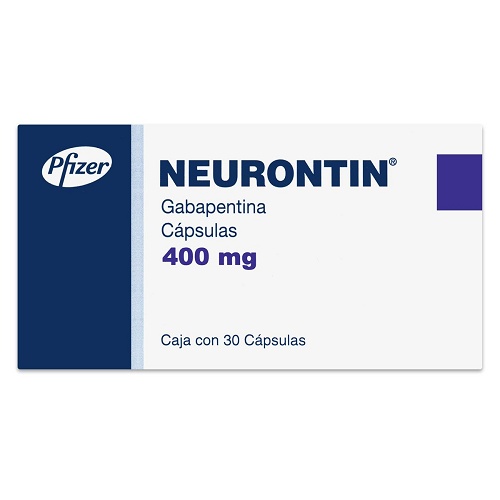
Neurontin (gabapentin) is a prescription medication used in the United States to treat neuropathic pain—nerve pain that often resists standard painkillers. Before you go further, know this: while Neurontin offers relief for many, its effects, side effects, and practical fit for your life are unlike other pain medications. It isn’t a one-size-fits-all solution—understanding how it actually works in daily life is the first step to getting real benefit from it.
Neurontin in Real Life: Patient Stories and Why They Matter
Maria sits at her kitchen table, staring at the small white pill in her palm. For weeks, the burning, electric pain in her feet—diabetic neuropathy—has made even walking to the mailbox a challenge. Her doctor has just prescribed Neurontin. She’s not sure what to expect.
Across town, David, a Navy veteran, remembers the moment Neurontin began to dull the stabbing in his shoulder after a shingles outbreak. It wasn’t magic; the pain didn’t vanish overnight. But day by day, the world became livable again. Then, two months in, mild dizziness arrived—subtle but persistent. Should he push on, adjust the dose, or give up?
These stories echo in exam rooms and online forums across the United States. They are not rare exceptions; they are what real life with Neurontin often looks like. The value of this medication comes not only from what it does on a cellular level, but from how it changes (or fails to change) the rhythms of a person’s day-to-day life.
The Neurontin Experience: How Neuropathic Pain Patients Actually Feel on This Medication
Relief with Neurontin rarely arrives with a dramatic moment. More often, patients describe a slow erosion of their pain’s sharpest edges. For some, this means finally sleeping through the night. For others, the improvement is more subtle: a few extra steps before fatigue sets in, or the ability to stand for five minutes longer at work.
But not everyone gets meaningful relief. The numbers tell a nuanced story: in clinical trials, roughly 30-50% of patients with neuropathic pain achieve a 50% reduction in pain with Neurontin—better than placebo, but far from universal success (FDA, Mayo Clinic). For those who benefit, the change can be life-altering. For others, side effects or lack of efficacy mean an early exit.
- Sleep improvement: Many report less nighttime pain, but daytime drowsiness can also occur.
- Mood and function: Some feel more capable and less anxious. Others find cognitive “fog” and frustration with dosing schedules.
- Side effect trade-offs: Dizziness, fatigue, and swelling are common. The balance between relief and side effects is rarely simple.
The Neurontin experience is shaped by expectation, patience, and honest conversations about what “success” really means. For those living with neuropathic pain, even partial relief can feel like a lifeline—if it comes at an acceptable cost.
Why Neurontin Isn’t Like Other Pain Medications: A Comparison That Matters
In the world of neuropathic pain, not all pills are created equal. Opioids, antidepressants, anti-seizure drugs, and topical agents each have a role—but their effects, risks, and expectations are worlds apart.
| Medication | Main Use | Typical Onset | Common Side Effects | Dependence Risk | Ease of Use | US Prescription Status |
|---|---|---|---|---|---|---|
| Neurontin (gabapentin) | Neuropathic pain, seizures | Within 1-2 weeks | Drowsiness, dizziness, swelling | Low, but misuse reported | Requires titration, multiple daily doses | Prescription only |
| Lyrica (pregabalin) | Neuropathic pain, fibromyalgia, seizures | Within 1 week | Drowsiness, weight gain, swelling | Moderate, Schedule V controlled substance | Simpler dosing, often twice daily | Prescription only, controlled |
| Duloxetine (Cymbalta) | Depression, neuropathic pain | 1-2 weeks | Nausea, dry mouth, sleep changes | Low | Once daily, no titration needed | Prescription only |
| Opioids (e.g., oxycodone) | Acute and chronic pain | Within hours | Constipation, sedation, dependence | High | Varies; high monitoring | Prescription only, tightly controlled |
Neurontin stands apart in one critical way: it is not a classic painkiller. Unlike opioids, it does not blunt all pain signals or produce euphoria. Instead, it targets the abnormal nerve activity behind neuropathic pain. Compared to duloxetine, Neurontin requires more careful dose adjustment and more patience for results. Compared to Lyrica, it is less regulated (not a controlled substance) but often requires more frequent doses and slower adjustment.
How Gabapentin Works—When Does Its Difference Matter?
Gabapentin doesn’t numb the body like opioids, nor does it alter mood directly like antidepressants. At its core, gabapentin calms overactive nerves, reducing the misfiring that causes neuropathic pain’s burning, tingling, and stabbing sensations. It does this by modulating calcium channels in nerve cells—a unique target in pain management.
- Gabapentin’s difference matters most when:
-
- Traditional painkillers (NSAIDs, opioids) have failed or are poorly tolerated.
- Pain is clearly neuropathic—meaning it comes from nerve damage, not joints or muscles.
- Side effect profiles of alternatives (antidepressants, anticonvulsants, opioids) are unacceptable or dangerous for the patient.
The “Gabapentin gap” is especially apparent in chronic conditions like diabetic neuropathy and postherpetic neuralgia. Here, standard painkillers often do nothing. Gabapentin’s mechanism may offer real relief—but only for the right kind of pain. It is rarely the first medication tried, but often the first to make a difference when others fail.
This is why clear diagnosis matters. Pain that is not neuropathic—such as from arthritis or injury—rarely responds to gabapentin. For the right patient, though, its unique action can mean the difference between constant suffering and functional days.
Taking Neurontin: What to Expect from Day One to Week Six
The first dose of Neurontin rarely transforms pain overnight. Most patients begin with a low dose, gradually increased over days to weeks. This slow approach helps your body adjust and reduces the risk of side effects.
- Day 1-3: Low dose, often at bedtime. Some notice dizziness or mild stomach upset. Pain is usually unchanged.
- Week 1-2: Dose is increased—sometimes twice, sometimes three times daily. Early responders may notice pain relief creeping in, especially at night.
- Week 3-4: Target dose is reached for most patients. This is when real assessment begins: is the pain meaningfully better? Are side effects manageable?
- Week 5-6: For those who benefit, steady improvement continues. For those who do not, a plan to adjust, add, or change therapy is needed.
“Many patients expect to feel significant relief within days. In practice, it can take several weeks at the right dose before the real benefit appears. The gradual approach isn’t about being cautious—it’s about giving your nerves time to respond and avoiding side effects that can sabotage success.”
— Neuropathic Pain Specialist, United States
Missing doses, abrupt stops, or sudden changes can disrupt both relief and side effect control. Consistency is more important with Neurontin than with many other medications for neuropathic pain. If you don’t notice improvement after six weeks at your target dose, it’s time to revisit your plan with your doctor.
Which Side Effects Matter Most with Neurontin—and When to Act
Every medication has a risk profile, but Neurontin’s stands out for what is likely to happen versus what is dangerous—and for the subtle line between the two. Most side effects are mild and manageable, but a few require immediate attention.
Drowsiness and dizziness are the most common reasons patients stop Neurontin. Swelling of the legs (peripheral edema) and new-onset confusion, especially in older adults, are less common but more concerning. Allergic reactions and severe mood changes are rare but require rapid action.
| Side Effect | How Common? | When to Contact Your Doctor |
|---|---|---|
| Drowsiness, fatigue | Common (10-20%) | If severe, persistent, or impairs function |
| Dizziness | Common (10-20%) | If causes falls or does not improve after a week |
| Swelling of legs/feet | Occasional (1-10%) | If new, worsening, or with shortness of breath |
| Confusion, memory problems | Occasional, more in older adults | If new, worsening, or interferes with daily life |
| Allergic reaction (rash, swelling of face/throat) | Rare (<1%) | Immediately—go to the ER |
| Mood changes, suicidal thoughts | Rare | Immediately contact your doctor |
Most side effects are reversible and improve with dose adjustment. Do not stop Neurontin abruptly without medical advice—withdrawal symptoms (anxiety, insomnia, nausea, sweating) can occur, especially at higher doses or after long-term use. Always discuss dose changes with your doctor or pharmacist.
Dosing Neurontin: Finding the Right Schedule for Your Body
No two patients need exactly the same dose of Neurontin. The medication is usually started at a low dose and titrated up, based on response and side effects. Dose adjustments are especially important if you have kidney problems, are older, or are taking other medications that affect sedation or balance.
| Patient Group | Starting Dose | Typical Target Dose | Maximum Dose | Dosing Frequency |
|---|---|---|---|---|
| Adults (normal kidney function) | 300 mg once at bedtime; then 300 mg 2-3 times daily | 900-1800 mg per day (divided 3 times) | 3600 mg per day | 2-3 times daily |
| Older adults (≥65) | Begin at lowest dose, increase more slowly | Variable—often lower maximum tolerated | Based on kidney function | 2-3 times daily |
| Chronic kidney disease | Reduce dose per doctor’s advice | Lower target and max doses | Individualized—never exceed doctor’s recommendation | 2-3 times daily |
Dosing schedules that work for one person may not work for another. Missing doses, taking extra, or stopping abruptly increases the risk of both side effects and withdrawal. If you are unsure how to take your dose—especially when adjusting for age or kidney function—ask your physician or pharmacist directly.
When Not to Take Neurontin: Red Flags and Gray Zones
Absolute Contraindications (Do Not Take Neurontin If…)
- Allergy to gabapentin or any component: Any sign of allergic reaction in the past is a full stop. An alternative medication must be used.
Relative Contraindications (Proceed with Caution)
- Severe kidney disease: Gabapentin is cleared by the kidneys. Dose adjustment is essential and must be managed by a physician.
- History of drug misuse or substance use disorder: Misuse of gabapentin has been reported, particularly in combination with opioids or alcohol. Discuss risks openly with your doctor.
- Pregnancy and breastfeeding: Gabapentin’s safety in pregnancy is not fully established. Use only if the benefit clearly outweighs the risk, and only under close medical supervision.
- Older adults (risk of confusion, falls): Lower starting doses and slower titration are needed; close monitoring for side effects is essential.
- Concurrent use with sedatives or opioids: Risk of severe sleepiness, slowed breathing, or accidents increases. Careful doctor oversight is required.
When in doubt, do not start or adjust Neurontin without medical advice. The risks are specific to your health history, and what is safe for one person may be dangerous for another. Always tell your doctor about all medications and supplements you are taking.
Getting Neurontin in the United States: Access, Insurance, and Cost
In the United States, Neurontin is only available by prescription. It is not sold over-the-counter or legally online without a valid prescription. Most community and hospital pharmacies stock both brand-name Neurontin and multiple generic gabapentin options.
- Insurance coverage: Most commercial insurance plans and Medicare Part D plans cover generic gabapentin for neuropathic pain, but prior authorization may be required for brand-name Neurontin or for off-label uses.
- Pharmacy access: Any licensed pharmacy can dispense the medication. Mail-order options exist through insurance providers; online “pharmacies” offering gabapentin without a prescription are illegal and dangerous.
- Cost: Generic gabapentin is inexpensive—often less than $10-20/month out of pocket at major US pharmacies. Brand Neurontin is significantly more expensive, but rarely necessary unless a specific formulation is required.
For patients with Medicaid, coverage varies by state but usually includes the generic form. Patients who run into coverage or cost issues should discuss alternatives or appeal options with their physician and pharmacist.
FAQs: Neurontin, Your Real Questions Answered
- Is Neurontin addictive or habit-forming?
- Gabapentin is not considered addictive in the classic sense, but misuse has been reported, especially in people with a history of substance use disorder. If you are concerned about dependence, talk to your doctor before starting or stopping Neurontin.
- How long does it take for Neurontin to relieve neuropathic pain?
- Most patients notice improvement within 1-4 weeks as the dose is adjusted. For some, it can take up to 6 weeks at the appropriate dose to assess full benefit. If you see no relief by then, re-evaluate with your physician.
- Can Neurontin be taken with other pain medications?
- Neurontin is often combined with other medications, including antidepressants or topical agents. However, combining it with sedatives, opioids, or alcohol increases the risk of side effects and should be done only under medical supervision.
- What happens if I miss a dose of Neurontin?
- Take the missed dose as soon as you remember unless it’s almost time for your next dose. Never double up on doses. Missing several doses can affect pain control and increase withdrawal risk.
- Why is my doctor increasing my dose so slowly?
- Slow titration helps minimize side effects like dizziness and drowsiness. Your nervous system needs time to adapt to gabapentin’s effects. Rushed dosing often leads to avoidable problems.
- Are generic gabapentin and brand Neurontin the same?
- Both contain the same active ingredient, gabapentin. For nearly all patients, generic and brand are equally effective. Some people are sensitive to inactive ingredients; discuss any concerns with your pharmacist.
- Is it safe to stop Neurontin suddenly?
- Abruptly discontinuing Neurontin can cause withdrawal symptoms and rebound pain. Gradual tapering under medical supervision is the safest way to stop or change your regimen.
- Does Neurontin interact with other medications?
- Gabapentin has relatively few drug interactions, but it can increase sedation when combined with central nervous system depressants (like opioids or benzodiazepines). Always disclose all medications and supplements to your healthcare team.
Sources and References
- Neurontin (gabapentin) Prescribing Information, Pfizer. [Text-only: document available via manufacturer website]
- U.S. Food and Drug Administration (FDA)
- PubMed
- ClinicalTrials.gov
- Mayo Clinic: Gabapentin Information
- Centers for Disease Control and Prevention (CDC)
- American Academy of Neurology: Neuropathic Pain Guidelines
- Neuropathic Pain: A Practical Guide to Diagnosis and Management, American Academy of Neurology, 2022.