
- Home/
- Buy Ivermectin Without Prescription in the United States Online
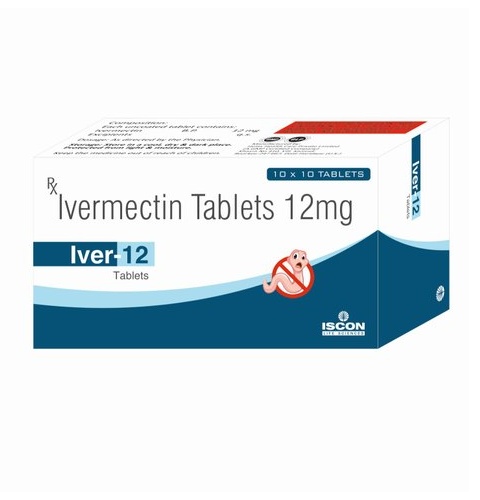
Ivermectin in the United States: Comprehensive Medical Guide 2026
Can Ivermectin be obtained without a prescription in the United States?
No, it is not legal to obtain Ivermectin without a valid prescription in the United States. Federal and state regulations require a prescription from a licensed healthcare provider (MD, DO, NP, or PA) for human-use Ivermectin. Buying Ivermectin without a prescription, especially from unregulated websites, carries risks of counterfeit or non-equivalent products and is subject to legal penalties.
Key Takeaways: Fast Facts About Ivermectin
- Active Ingredient: Ivermectin
- Category: Antiparasitic agent (approved for specific infections only)
- Prescription Status (2026): Prescription-only in the United States
- Main Indications: Approved for onchocerciasis (river blindness), strongyloidiasis, and some off-label scabies or lice treatments
- Onset of Action: Typically within hours to 1–2 days, depending on infection
- Contraindications: Children under 15 kg, pregnancy (relative), severe liver impairment
- Typical Price (2026): $4–$10 per 3 mg tablet (generic); branded higher
- Regulator: U.S. Food and Drug Administration (FDA)
- Insurance Coverage: Often covered for FDA-approved indications only
How Does Ivermectin Work in the Body?
Ivermectin is an antiparasitic medication that targets the nervous system of certain parasites. Its primary mechanism is the selective binding to parasite-specific glutamate-gated chloride channels, which are not present in humans. When Ivermectin binds to these channels, it increases the permeability of the parasite’s nerve and muscle cell membranes to chloride ions. This leads to hyperpolarization, paralysis, and ultimately the death of the parasite.
Unlike antibiotics that target bacteria, Ivermectin is effective only against certain parasitic worms (nematodes) and arthropods (mites, lice). It does not kill viruses, including SARS-CoV-2 (coronavirus), and is not approved for viral infections in the United States.
Metaphor: Imagine Ivermectin as a “lockpick” that only fits the “locks” (receptors) found in certain parasites, shutting down their ability to move or feed, while leaving human cells unharmed.
Myth: Ivermectin works against all infections, including viral.
Reality: Ivermectin is only effective for certain parasitic infections. It does not cure viral illnesses.
Expert Commentary from doctor
In my clinical practice, I see many patients misunderstand the purpose of Ivermectin. It’s common for individuals to request this medication for unapproved uses, such as viral infections, due to misinformation online. One of the biggest mistakes is self-dosing based on non-medical sources, which can lead to toxicity or treatment failure. Another frequent issue is patients not taking the medication with sufficient water or on an empty stomach as directed, which affects absorption. I always remind patients: consult your physician for the right diagnosis and indication—using Ivermectin outside its approved uses is both dangerous and ineffective. Adherence to the prescribed dose and schedule is key for safe and effective treatment.
How Should I Take Ivermectin? Dosing, Timing, and Duration
| Indication | Typical Adult Dose | Frequency | Max Dose |
|---|---|---|---|
| Strongyloidiasis | 200 mcg/kg PO | Once | 200 mcg/kg |
| Onchocerciasis | 150 mcg/kg PO | Once, may repeat yearly | 150 mcg/kg |
| Scabies (off-label) | 200 mcg/kg PO | Day 1 and repeat on Day 8–15 | 400 mcg/kg cumulative |
Key notes:
- Take Ivermectin on an empty stomach with a full glass of water (at least one hour before food).
- Do not exceed the prescribed dose; maximum daily dose is typically 200 mcg/kg for most indications.
- Tablet splitting: Most formulations can be split, but always check the specific product instructions or ask your pharmacist.
- Duration of action: Most effects are seen within a few days, but some infections may require repeat dosing per your provider’s schedule.
- Missed Dose: Take as soon as remembered unless it is close to the next scheduled dose. Never double up doses.
Can I Take Ivermectin with Food, Alcohol, or Other Medications?
- Food:
- High-fat meals increase the absorption of Ivermectin and may raise blood levels, potentially increasing side effects. For most indications, take on an empty stomach unless your doctor advises otherwise.
- Alcohol:
- Combining Ivermectin with alcohol is not recommended. Both substances are processed by the liver, increasing the risk of liver toxicity and side effects such as dizziness, nausea, or confusion. Abstain from alcohol while taking Ivermectin.
- Grapefruit Juice:
- May increase Ivermectin levels in the blood by inhibiting certain liver enzymes (CYP3A4), potentially raising the risk of side effects. Avoid grapefruit and grapefruit juice during therapy.
- Certain antibiotics (e.g., macrolides) and antifungals (e.g., ketoconazole) may alter Ivermectin metabolism.
- Do not combine with other antiparasitic agents without medical supervision.
- Immunosuppressive medications may complicate therapy—always disclose your medication list to your provider.
Who Should NOT Take Ivermectin? Absolute and Relative Contraindications
| Type | Condition | Rationale |
|---|---|---|
| Absolute | Hypersensitivity to Ivermectin or excipients | Risk of life-threatening allergic reaction |
| Absolute | Children <15 kg body weight | Safety in this group not established |
| Relative | Pregnancy (especially first trimester) | Animal studies show risk; use only if benefit outweighs risk |
| Relative | Severe hepatic impairment | Impaired drug metabolism, higher toxicity risk |
| Relative | Patients with Loa loa infection | Risk of severe neurological reactions |
| Relative | Breastfeeding | Present in breast milk; discuss with provider |
Important: Ivermectin is not contraindicated for renal impairment, but dose adjustment may be needed for severe liver dysfunction. Always discuss your medical history with your doctor.
What Side Effects Are Most Common with Ivermectin?
| Frequency | Side Effect | Notes/Mechanism |
|---|---|---|
| Very Common (>1/10) |
Dizziness, mild nausea | Transient, linked to parasite die-off |
| Common (>1/100) |
Diarrhea, abdominal pain, rash, pruritus (itching) | Immune response to dying parasites |
| Rare (<1/1000) |
Hypotension (low blood pressure), tachycardia | Usually mild |
| Very Rare (<1/10,000) |
Encephalopathy, seizures, vision changes | Most often in Loa loa co-infection |
| Unknown Frequency | Liver enzyme elevation, severe skin reactions | Monitor with lab tests if prolonged use |
- Mild: Notify your provider, monitor symptoms.
- Severe or worrying: Stop the drug and seek emergency care.
- Report any sudden neurological symptoms immediately.
Common Patient Mistakes Observed by doctor
- Self-medicating based on online or non-medical advice: Leads to inappropriate dosing or treating the wrong condition. Always consult a licensed provider.
- Using veterinary formulations for human use: Animal products often contain different concentrations or additives unsuitable for people. Never take non-human Ivermectin.
- Not disclosing all medications/supplements: Hidden drug interactions can cause harm. Bring a full medication list to your appointment.
- Taking with food when fasting required: May increase absorption and side effects. Follow administration instructions carefully.
- Purchasing from unregulated sources: High risk of counterfeit products. Only use FDA-registered U.S. pharmacies.
- Skipping follow-up or lab monitoring: Some infections or side effects require close follow-up. Attend all scheduled appointments.
Ivermectin vs Alternatives: Comparison Table
| Drug | Main Indications | Onset Speed | Duration | Side Effects | Approximate Price per Tablet |
|---|---|---|---|---|---|
| Ivermectin | Strongyloidiasis, Onchocerciasis, Scabies (off-label) | Hours–1 day | Up to 1 year (onchocerciasis) | Dizziness, rash, GI upset | $4–$10 (generic 3 mg) |
| Albendazole | Broad-spectrum nematodes, cysticercosis | Within 1–2 days | 1–2 doses or prolonged for some parasites | GI upset, liver enzyme rise | $8–$20 (200 mg) |
| Mebendazole | Pinworm, whipworm, roundworm | Within 1–2 days | 1–3 days (typical) | GI upset, rare rash | $5–$12 (100 mg) |
Bottom line: Ivermectin is preferred for certain infections (e.g., strongyloidiasis, onchocerciasis), while albendazole or mebendazole may be chosen for broader nematode coverage. Your doctor will select the best option based on your infection and medical profile.
Questions Frequently Asked to doctor
- Is Ivermectin safe for long-term or repeated use?
- For most people, Ivermectin is only used as a single-dose or short-course therapy. Repeated or long-term use increases the risk of liver toxicity and should only be done under specialist supervision with regular blood tests.
- What if I miss a dose?
- Take the missed dose as soon as you remember. If it’s almost time for the next dose, skip the missed one—never double up. In most cases, a missed dose won’t compromise your outcome, but ask your provider for instructions.
- Can children or elderly patients take Ivermectin?
- Children under 15 kg should not take Ivermectin. For elderly patients, dose adjustments may be needed, especially if liver function is impaired. Always consult your provider about age-specific risks.
- Can I take Ivermectin with my other prescription medications?
- Many drugs are compatible, but always disclose all medications and supplements. Some antibiotics, antifungals, or immunosuppressants can interact with Ivermectin, necessitating extra caution or monitoring.
- Is it okay to drink alcohol while taking Ivermectin?
- No. Alcohol can increase the risk of side effects and stress your liver. Abstain from alcohol during treatment and for at least 48 hours after your last dose.
- Will insurance cover Ivermectin?
- Most U.S. insurance plans cover Ivermectin for FDA-approved uses. Off-label uses may not be reimbursed, so check with your provider and insurer.
- Will Ivermectin affect my ability to drive or work?
- Some people experience dizziness or drowsiness. If you feel unwell, avoid driving or operating machinery until you know how the drug affects you.
Ivermectin at a Glance: Key Parameters Table
| Parameter | Value |
|---|---|
| Active Ingredient | Ivermectin |
| Dosage Forms | Tablet (3 mg, 6 mg), Cream (for specific skin conditions) |
| Onset of Action | Within hours to 1–2 days |
| Metabolism | Liver (CYP3A4 pathway) |
| Elimination Half-life | ~18 hours (range: 12–36 hours) |
| Excretion | Biliary (feces >90%), minor renal |
| Standard Tablet Price (2026) | $4–$10 (3 mg generic) |
| Prescription Requirement | Yes |
How to Obtain Ivermectin Legally in the United States: Step-by-Step Guide
- Step 1: Seek a Medical Evaluation. Schedule a visit with your primary care provider, infectious disease specialist, or a board-certified dermatologist for skin-related indications. Telemedicine appointments are also legally valid for many situations.
- Step 2: Provide a Complete Medical History. List all current medications, supplements, allergies, and any chronic health conditions.
- Step 3: Receive a Prescription. If Ivermectin is appropriate, your provider will issue a prescription (paper, e-prescription, or sent directly to a pharmacy).
- Step 4: Fill Your Prescription. Choose a licensed U.S. pharmacy (retail or mail-order). You may verify online pharmacies using the FDA BeSafeRx program.
- Step 5: Follow Up as Directed. Attend any follow-up appointments or laboratory tests recommended by your provider.
Is It Legal to Buy Ivermectin Online in the United States?
Purchasing Ivermectin from licensed U.S. online pharmacies is legal and safe, provided you have a prescription. These pharmacies display verification badges such as the VIPPS seal or are listed with the National Association of Boards of Pharmacy.
It is illegal and unsafe to buy Ivermectin from:
- Websites that do not require a prescription
- Foreign pharmacies shipping without U.S. approvals
- Online sellers with suspiciously low prices or lacking contact information
How to Spot Counterfeit Ivermectin: Security Checklist
- Packaging: Original U.S. Ivermectin tablets come in blister packs or bottles with manufacturer imprint, lot number, and expiration date.
- Tablet Appearance: Tablets are generally white or off-white, round, with precise scoring and a clear imprint code. No chips, discoloration, or blurred text.
- Verification Elements: Many brands now use QR codes or holograms on packaging; scan QR codes to verify with the manufacturer’s official website.
- Price: If the price is significantly below U.S. market rates (<$2 per tablet), be suspicious—counterfeit risk is high.
- Pharmacy Source: Only purchase from FDA-registered, U.S.-based pharmacies. Use the FDA’s pharmacy checker tools (BeSafeRx).
Ivermectin Compatibility Table: Medications and Products
| Product | Can Be Combined? | Potential Consequences |
|---|---|---|
| Acetaminophen (Tylenol) | Yes | No significant interaction; monitor liver function if long-term |
| Alcohol | No | Increased risk of liver toxicity, dizziness |
| Azithromycin (antibiotic) | With caution | Possible increased Ivermectin levels; consult doctor |
| Statins (cholesterol meds) | Yes | No significant interaction |
| Grapefruit juice | No | May increase blood levels of Ivermectin |
| Prednisone (steroid) | With caution | Increased risk of infection; monitor closely |
| Over-the-counter supplements | With caution | Varies; always inform your provider |
How Is Ivermectin Metabolized and Eliminated?
Metabolism: Ivermectin is predominantly processed in the liver via the CYP3A4 enzyme system. If your liver function is impaired, the drug may accumulate, elevating side effect risk.
Elimination: Over 90% is excreted in the feces via bile. Only a small fraction (<2%) leaves the body through urine. The average half-life is about 18 hours, but it can range from 12 to 36 hours.
Clinical tip: Patients with liver disease or those taking other drugs metabolized by CYP3A4 (such as certain antifungals or antibiotics) should be monitored closely for toxicity.
Special Considerations for Certain Patient Groups
- Children: Not recommended for those under 15 kg; higher risk of adverse effects and insufficient safety data.
- Elderly: May be more sensitive to side effects; dose adjustment or additional monitoring may be necessary.
- Liver impairment: Use with caution; increased risk of toxicity, especially with severe liver dysfunction.
- Pregnancy: Not recommended during the first trimester except for life-threatening infections. Discuss risks and benefits with your provider.
- Breastfeeding: Ivermectin is excreted in breast milk; use only if benefit outweighs risk and under medical supervision.
- Fertility and Family Planning: No evidence suggests Ivermectin affects fertility, but always inform your provider if you are planning pregnancy.
Brand Name vs Generic Ivermectin: What’s the Difference?
Brand name Ivermectin (such as Stromectol) and generic equivalents contain the same active ingredient in identical doses. The FDA ensures generics meet the same standards for purity, potency, and safety. Differences lie in inactive ingredients (excipients), tablet shape, or packaging.
Advantages of generics: Lower cost, widely available, identical clinical effectiveness. Some patients with allergies should review the excipient list with a pharmacist.
Warning: Generics from FDA-registered U.S. manufacturers are safe. Generics sold through unregulated or foreign websites may be counterfeit or subpotent.
What to Do in Case of Ivermectin Overdose
- Stop taking Ivermectin immediately.
- Call 911 or contact the Poison Control Center (1-800-222-1222) for emergency guidance.
- Inform the medical professional of the exact dose and time taken.
- Bring the medication packaging with you to the emergency room if possible.
Symptoms of overdose may include confusion, severe dizziness, vomiting, vision changes, or seizures. Prompt action saves lives.
What Should I Do if Ivermectin Does Not Work?
- Do not increase the dose without consulting your doctor.
- Some infections require additional doses or alternative medications due to resistance or misdiagnosis.
- Follow up for repeat testing or specialist referral if no improvement is seen within the expected timeframe.
- Consider non-drug interventions (e.g., hygiene measures for lice or scabies) as instructed by your provider.
In short: Lack of improvement may reflect the wrong diagnosis, resistance, or re-infection. Always communicate with your healthcare team.
A Word of Empathy and Psychological Support
Dealing with parasitic infections or persistent skin conditions can be stressful and isolating. Remember, these conditions are common, and seeking medical care is the right step. If you are feeling anxious or ashamed, know that you are not alone—many people have been in your situation and recovered. Discussing your concerns with a trusted professional or loved one can be helpful in the recovery process.
Professional Opinion of doctor
Ivermectin remains an essential, well-studied option for certain parasitic infections, especially in cases such as strongyloidiasis, onchocerciasis, and resistant scabies. In my experience, patients who benefit most are those with a clear indication, proper diagnosis, and close follow-up. The risk of serious side effects is low when Ivermectin is used appropriately, but safety depends on patient selection and avoiding drug interactions. For viral illnesses or unapproved uses, Ivermectin is not recommended—there is no solid evidence supporting efficacy, and the risk-benefit profile becomes less favorable. Alternatives like albendazole or mebendazole may be preferable for other worm infections. My advice: trust clinical guidelines, avoid self-medication, and always prioritize safety by working with a licensed healthcare provider in the United States.
User FAQ: Ivermectin in the United States
- Is Ivermectin FDA-approved for COVID-19 or other viral infections?
- No. The FDA has not approved Ivermectin for treatment or prevention of COVID-19 or any other viral infection.
- Do I need a prescription for Ivermectin in the United States?
- Yes, a valid prescription from a licensed provider is required for all human-use Ivermectin in the U.S.
- How much does Ivermectin cost in 2026?
- Generic Ivermectin tablets typically cost $4–$10 per 3 mg dose in the U.S., with branded versions higher. Prices may vary by pharmacy and insurance.
- Can I buy Ivermectin from a foreign online pharmacy?
- No. Importing Ivermectin from foreign sources without approval is illegal and risky; products may be counterfeit or seized by customs.
- What are the most common side effects?
- The most frequent side effects are mild dizziness, stomach upset, and skin rash. Severe reactions are rare but require urgent attention.
- How soon does Ivermectin start working?
- Most patients notice improvement within hours to 1–2 days, depending on the type of infection.
- Does Ivermectin interact with birth control or affect fertility?
- There is no evidence of contraceptive failure or fertility effects, but always inform your provider of all medications.
- What should I do if I miss a dose?
- Take the missed dose as soon as you remember, unless it is almost time for the next one. Do not double up doses.
- Can Ivermectin be taken daily?
- No. For most indications, a single dose or a short course is used. Daily use is not approved and may increase risks.
- Is Ivermectin safe during pregnancy?
- Generally avoided, especially in the first trimester. Use only under specialist guidance for severe or life-threatening infections.
References and Authoritative Sources
- U.S. Food and Drug Administration (FDA). “Ivermectin Tablets, USP Prescribing Information.” Accessed June 2026. https://www.fda.gov/
- Centers for Disease Control and Prevention (CDC). “Parasites – Ivermectin.” Accessed June 2026. https://www.cdc.gov/parasites/resources/ivermectin.html
- National Institutes of Health (NIH). “Ivermectin: MedlinePlus Drug Information.” Accessed June 2026. https://medlineplus.gov/druginfo/meds/a607069.html
- PubMed. “Recent Clinical Trials of Ivermectin in Human Infectious Diseases (2023–2025).” Accessed June 2026. https://pubmed.ncbi.nlm.nih.gov/
- Mayo Clinic. “Ivermectin (Oral Route) Proper Use.” Accessed June 2026. https://www.mayoclinic.org/drugs-supplements/ivermectin-oral-route/proper-use/drg-20064397
- National Association of Boards of Pharmacy (NABP). “VIPPS Accredited Online Pharmacies.” Accessed June 2026. https://nabp.pharmacy/
- ClinicalTrials.gov. “Ivermectin Studies and Results.” Accessed June 2026. https://clinicaltrials.gov/