
- Home/
- Buy Furosemide Online in the United States – Fast and Easy Ordering
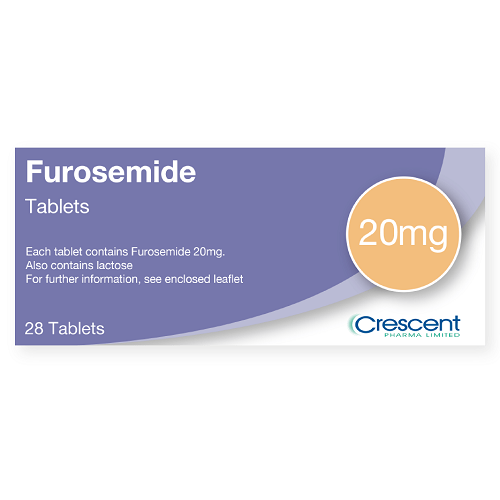
Can Furosemide Be Obtained Without a Prescription in the United States?
No, Furosemide is a prescription-only medication in the United States. It cannot be obtained legally without a doctor’s prescription, whether in person or from a licensed telehealth provider.
Key Takeaways: What You Need to Know About Furosemide in the U.S.
- Furosemide is most suitable for adults and children with fluid retention (edema) due to heart failure, liver disease, or kidney disease, and for certain cases of high blood pressure.
- A valid prescription from a U.S.-licensed healthcare provider is required to obtain Furosemide at any pharmacy, including online and telemedicine services.
- The most important safety consideration is the risk of dehydration, electrolyte imbalance, and kidney dysfunction with incorrect use.
- Furosemide works within 1 hour of oral administration, but the duration and effectiveness depend on individual factors and concurrent health conditions.
- If you experience sudden weakness, confusion, rapid heartbeat, or severe cramping, seek immediate medical attention.
- Always consult your doctor about ongoing symptoms, as Furosemide addresses fluid overload but does not treat underlying diseases.
How Does Furosemide Work? Understanding Its Mechanism of Action
Furosemide is classified as a loop diuretic. It acts primarily in the thick ascending limb of the loop of Henle in the kidneys. Here, it inhibits the Na+-K+-2Cl− cotransporter (NKCC2), leading to reduced reabsorption of sodium and chloride ions. As a result, more sodium, chloride, and water are excreted in urine, producing a rapid diuretic effect and reducing fluid volume in the body.
By increasing urinary output, Furosemide helps relieve symptoms of fluid overload, such as swelling and shortness of breath, and supports blood pressure reduction. The action is independent of triggers—Furosemide works as long as adequate kidney blood flow is present.
Metaphor: Think of the kidneys as a filtration system with many gates. Furosemide “locks open” a key gate, so excess salt and water can escape quickly, reducing swelling and blood pressure.
Recent clinical evidence (2024) continues to confirm the efficacy of Furosemide in treating edema and acute heart failure, with ongoing research on optimal dosing and individualized risk management [PubMed].
Why Patients Often Misjudge Furosemide’s Effectiveness: A Clinician’s Perspective
As a physician, I frequently encounter patients who expect Furosemide to deliver instant relief from swelling or breathing difficulties. Many judge its success by increased urination alone, overlooking that symptom improvement can lag behind diuresis. Some discontinue use too soon, frustrated by ongoing swelling, or ignore subtle signs of electrolyte loss. Patients rarely ask about monitoring for potassium or kidney function, or whether daily weight changes are meaningful. In reality, tracking symptom trends and laboratory results is often more accurate than focusing on urine volume. It’s crucial to communicate that persistent fluid retention may signal disease progression—not drug failure—and always merits timely reassessment.
How Should Furosemide Be Taken? Dosage, Timing, and Duration
Furosemide dosage is individualized based on the underlying condition, patient age, kidney function, and response. For adults with edema, the usual starting oral dose is 20–40 mg once daily, adjusted by 20 mg increments every 6–8 hours as needed under supervision. For hypertension, the initial dose may be as low as 20–40 mg twice daily. Children receive weight-based doses.
- Maximum daily dose: 600 mg in adults (rarely required and only in specialized settings).
- Peak effect: 1–2 hours after oral intake; intravenous use acts within 5 minutes.
- Duration: 4–6 hours per dose.
- Tablet splitting: Most generic Furosemide tablets can be split if not enteric-coated; always check the package or with your pharmacist.
- Elderly or patients with kidney impairment: Lower starting doses and slower adjustments are often necessary.
Never adjust your dose or frequency without physician guidance. Exceeding recommended doses significantly increases the risk of dehydration, kidney failure, and electrolyte disturbances.
Does Food, Alcohol, or Other Substances Affect Furosemide?
Food: Taking Furosemide on an empty stomach slightly increases absorption and speeds up onset, but it can be taken with food to reduce stomach upset. Fatty meals may delay peak effect by up to 1 hour.
Alcohol: Combining Furosemide with alcohol is not recommended. Both substances can lower blood pressure, causing dizziness, fainting, or even life-threatening drops. Alcohol may also worsen dehydration and electrolyte imbalance.
Grapefruit juice: There is no clinically significant interaction between Furosemide and grapefruit juice, but excessive intake of citrus juices may irritate the stomach.
Other substances: Non-steroidal anti-inflammatory drugs (NSAIDs) can reduce Furosemide’s effect. Always discuss new medications or supplements with your doctor.
Compatibility Check: Furosemide and Other Common Medications/Substances
| Type of Product | Can It Be Combined? | Consequences |
|---|---|---|
| Aspirin (low-dose) | Yes, with caution | Monitor kidney function; may reduce diuretic effect |
| Ibuprofen/NSAIDs | Caution | May reduce diuretic effect; kidney risk |
| ACE inhibitors (e.g., Lisinopril) | Yes, with close monitoring | Risk of low blood pressure and kidney dysfunction |
| Potassium supplements | Yes, if prescribed | May prevent low potassium, but dosage must be monitored |
| Alcohol | No | Risk of severe dehydration and low blood pressure |
| Grapefruit juice | Yes | No significant interaction |
| Nitrates (for chest pain) | Caution | Combined blood pressure lowering effect |
Who Should Not Use Furosemide? Absolute and Relative Contraindications
Absolute contraindications (never use):
- Severe electrolyte depletion (especially low potassium or sodium)
- Anuria (no urine output despite fluid intake)
- Allergy to Furosemide or sulfonamide-derived medications
- Hepatic coma or pre-coma (risk of worsening brain swelling)
Relative contraindications (use only under close supervision):
- Chronic kidney disease with low glomerular filtration rate (GFR < 30 mL/min)
- Severe liver disease (risk of encephalopathy)
- Low blood pressure (hypotension)
- Gout (may trigger flare)
- Diabetes mellitus (can worsen blood sugar control)
- Use with other drugs affecting kidney function (e.g., NSAIDs, ACE inhibitors)
- Pregnancy and breastfeeding (only if benefits outweigh risks)
After a recent heart attack, Furosemide may be considered only under hospital supervision.
Why? Furosemide may cause rapid shifts in blood volume and electrolytes, risking heart rhythm disturbances, kidney injury, or worsening of underlying disease.
What Side Effects Are Most Common With Furosemide?
- Very Common (>1/10): Urination increase, dehydration, low potassium (hypokalemia), low sodium (hyponatremia), low blood pressure (especially when standing), dizziness, muscle cramps
- Common (1/100–1/10): Gout flare, high blood sugar, hearing changes (at high doses), skin rash, nausea, diarrhea
- Rare (1/1000–1/100): Irregular heartbeat, severe allergic reaction, kidney failure, liver toxicity, severe skin reactions
- Very Rare (<1/1000): Severe hearing loss (with rapid IV administration), blood clotting abnormalities, pancreatitis, bone marrow suppression
If you experience sudden confusion, persistent vomiting, irregular heartbeat, or loss of hearing, stop Furosemide and contact emergency services immediately.
Most side effects are due to rapid fluid or electrolyte loss. Regular monitoring of blood chemistry is recommended for all patients on long-term Furosemide therapy.
Common Pitfalls: Mistakes to Avoid When Taking Furosemide
- Taking Furosemide late in the day – This can cause nighttime urination and disrupt sleep. Take it in the morning unless your doctor instructs otherwise.
- Stopping medication suddenly – Discontinuing Furosemide abruptly may lead to rapid fluid accumulation, especially in heart or kidney patients.
- Ignoring recommended laboratory monitoring – Skipping scheduled blood tests for electrolytes and kidney function increases risk of unnoticed complications.
- Doubling up after a missed dose – Taking two doses at once can cause excessive dehydration and electrolyte loss. If you miss a dose, take it as soon as remembered, but skip if close to the next scheduled dose.
- Not informing your doctor about new medications – Many drugs, including over-the-counter remedies, can interact with Furosemide.
- Restricting fluid intake excessively – Unless instructed, do not dramatically cut fluids, as this may worsen kidney function.
- Failing to monitor weight – Daily weight checks help identify fluid changes early and guide treatment adjustments.
How Does Furosemide Compare to Other Diuretics for Edema?
| Medicine | Onset (Oral) | Duration | Common Side Effects | Typical U.S. Price (per 40mg tab) | Primary Use |
|---|---|---|---|---|---|
| Furosemide | 30–60 min | 4–6 hrs | Electrolyte loss, dehydration, dizziness | $0.10–$0.30 (generic) | Edema, hypertension, heart failure |
| Bumetanide | 30–60 min | 4 hrs | Similar to Furosemide; higher potency per mg | $0.30–$1.00 (generic) | Edema (stronger effect at lower dose) |
| Torasemide (Torsemide) | 1 hr | 8–12 hrs | Electrolyte loss, rare hearing issues | $0.15–$0.60 (generic) | Edema, long-term heart failure |
| Hydrochlorothiazide | 2 hrs | 6–12 hrs | Electrolyte changes, mild dehydration | $0.05–$0.20 (generic) | Mild edema, hypertension |
- Furosemide remains the most widely prescribed loop diuretic in the U.S. for acute and chronic edema due to its rapid onset and cost-effectiveness.
- Bumetanide is more potent per milligram, often reserved for patients unresponsive to Furosemide.
- Torasemide (Torsemide) has a longer duration, making it suitable for once-daily use in chronic heart failure.
- Hydrochlorothiazide is less potent, more appropriate for mild edema or hypertension.
Pharmacokinetics: How Is Furosemide Absorbed, Metabolized, and Eliminated?
- Absorption: Oral Furosemide is variably absorbed (10–90%; average 50%). Food may reduce and delay absorption but does not prevent effectiveness.
- Distribution: About 95% binds to plasma proteins.
- Metabolism: Only a small portion is metabolized by the liver.
- Elimination: Primarily excreted unchanged by the kidneys through urine (80%); some via bile (20%).
- Half-life (T1/2): 1–2 hours in healthy adults, prolonged in kidney or liver impairment.
Bottom line: Furosemide is best avoided or carefully titrated in patients with severe kidney or liver disease, as drug levels may accumulate.
Are There Special Considerations for Certain Patient Groups?
- Elderly patients: More sensitive to dehydration and low blood pressure. Start with lower doses and monitor closely.
- Chronic kidney disease: Effectiveness may decrease as kidney function declines; higher doses may be required but with greater risk.
- Liver disease: Risk of worsening encephalopathy—hospital-only use in severe cases.
- Pregnancy and breastfeeding: Furosemide crosses the placenta and is excreted in breast milk. Use only if benefits outweigh risks and under specialist supervision.
- Children: Weight-based dosing; use only under pediatrician supervision.
- Driving and machinery use: Can cause dizziness and fainting; avoid driving if affected.
- Fertility: No known direct effect on fertility in either sex, but profound electrolyte disturbances could disrupt menstrual cycles or sperm quality if misuse leads to chronic illness.
Original vs Generic Furosemide: Which Should You Choose?
Brand-name Furosemide (e.g., Lasix) and generic versions contain the same active ingredient and are FDA-evaluated for equivalence. Generics use different inactive ingredients (excipients) such as binders and coloring agents. Allergic reactions to excipients are rare but possible; always review ingredients if you have known sensitivities.
Advantages of generics: Substantially lower cost with clinically equivalent effects for most patients.
Myth vs Reality: Myth: “Only brand-name Lasix works.” Reality: FDA-approved generics undergo rigorous testing and are as effective for the vast majority of patients.
Quality Assurance: How Can I Recognize Authentic Furosemide in the U.S.?
- Packaging: Original and generic Furosemide come in blister packs or bottles marked with manufacturer name, lot number, NDC (National Drug Code), and expiration date.
- Tablet appearance: Varies by manufacturer but typically white, round or oval, with imprint codes (e.g., “Lasix 40,” “Furo 40,” etc.).
- Security features: Most U.S. manufacturers include tamper-evident seals; some add QR codes for verification.
- Documentation: Each package includes a patient information leaflet in English.
- Price warning: Unusually low prices may indicate counterfeit or imported products outside FDA regulation.
How to Avoid Counterfeit Furosemide and Non-Equivalent Imports
Counterfeit or illegal import Furosemide may have misspelled labels, unusual tablet appearance, or missing U.S. regulatory markings. Always purchase from licensed U.S. pharmacies. If you suspect a counterfeit, contact the FDA’s MedWatch program or your state pharmacy board.
What are generics? Generics are FDA-approved versions of brand-name drugs, containing the same active ingredient but possibly different excipients. They are required to demonstrate bioequivalence.
How Can I Safely Obtain Furosemide in the United States? Step-by-Step Guide
- Step 1: Schedule a consultation with your primary care provider, cardiologist, nephrologist, or a board-certified telemedicine physician.
- Step 2: Undergo a medical assessment that includes discussion of your symptoms, medication history, and blood/urine tests to rule out contraindications.
- Step 3: Receive a written or electronic prescription if Furosemide is deemed appropriate, specifying dose and frequency.
- Step 4: Fill your prescription at a licensed local or mail-order pharmacy. If using an online pharmacy, ensure it holds NABP or VIPPS accreditation.
- Step 5: Begin therapy and follow all instructions for monitoring, side effect reporting, and follow-up visits.
Note: Some insurance plans may require prior authorization or step therapy for coverage.
Online Pharmacy Safety in the United States: What Patients Should Know
Only U.S.-licensed pharmacies may legally dispense Furosemide. The safest way to verify an online pharmacy is to look for NABP accreditation (“.pharmacy” domain) and check their status via the FDA BeSafeRx program.
- Red flags for unsafe sellers: No prescription required, prices drastically below market rate, no physical address, foreign domain names, lack of verifiable pharmacist contact.
- Risks: Counterfeit medicines, contamination, incorrect dosage, customs seizure, and loss of insurance coverage.
Stick to pharmacies registered with your state board of pharmacy and avoid websites offering to “ship worldwide without prescription.”
What Should I Do If Furosemide Is Not Working as Expected?
If swelling, breathing difficulty, or weight gain persists despite regular Furosemide use, do not increase the dose on your own. Causes may include disease progression, reduced kidney function, dietary sodium excess, medication interactions, or rarely, drug resistance.
- Contact your healthcare provider for reassessment and possible laboratory tests.
- Track daily weight and symptoms for discussion at your follow-up.
- Adjustments may include dose change, switching to another diuretic, or addressing underlying disease.
Bottom line: Never attempt self-adjustment or substitution; this can be dangerous.
Overdose Protocol: What to Do in Case of Furosemide Overdose
- Stop taking Furosemide immediately.
- Call 911 or your local emergency services.
- Be ready to provide details: amount taken, time of ingestion, your symptoms, and current medications.
- Do not induce vomiting unless instructed by medical personnel.
- Stay hydrated with small sips of water only if instructed.
Symptoms of overdose: Severe dehydration, electrolyte imbalance (weakness, confusion, abnormal heartbeat), fainting, or hearing loss.
Questions Patients Most Often Ask Their Doctor About Furosemide
- How soon should I expect to feel better after starting Furosemide?
- Most patients notice increased urination within an hour. Improvement in swelling or breathing may take longer, sometimes several days, depending on the underlying condition and how much fluid needs to be mobilized. For conditions like heart failure, ongoing monitoring and symptom tracking are key to assessing progress.
- How often do I need blood tests while taking Furosemide?
- During the first few weeks, blood tests for electrolytes and kidney function are recommended every 1–2 weeks. Once stable, monitoring is usually every 2–3 months or as advised based on your risk factors and other medications.
- Should I change my diet while on Furosemide?
- It’s important to limit sodium intake, as high salt consumption can counteract the diuretic effect. Depending on your lab results, your doctor may also recommend potassium-rich foods or supplements. Always discuss dietary changes with your healthcare provider.
- What should I do if I feel dizzy or weak after taking Furosemide?
- Sit or lie down immediately to prevent falls. If symptoms persist or are severe, contact your doctor promptly. Such symptoms may indicate low blood pressure or excessive fluid loss.
- Can Furosemide be used long-term?
- Yes, many patients use Furosemide chronically, but it requires regular monitoring for side effects, kidney function, and ongoing need. The dose may be adjusted over time based on your clinical status.
- If I’m already on other blood pressure or heart medications, can I still take Furosemide?
- Often yes, but medications may need to be adjusted to avoid excessive blood pressure lowering or kidney stress. Always inform your provider about all medicines and supplements you take.
- How will my doctor know when it’s time to stop or reduce my Furosemide?
- Discontinuation or dose reduction is considered if you develop side effects, your underlying condition improves, or if lab tests reveal concerning changes. Never stop on your own—always follow your doctor’s guidance.
Technical Reference: Furosemide Product Specifications
| Parameter | Value |
|---|---|
| Available oral strengths (U.S.) | 20 mg, 40 mg, 80 mg tablets |
| Available injectable strengths | 10 mg/mL (2 mL, 4 mL ampules) |
| Usual adult oral dose (edema) | 20–80 mg once or twice daily |
| Time to peak effect (oral) | 1–2 hours |
| Duration of effect | 4–6 hours |
| Storage requirements | Store at 20–25°C (68–77°F), dry place |
| Manufacturer labeling (U.S.) | NDC code, lot number, expiration date, FDA-approved leaflet |
Quality Check: How Should Furosemide Look?
- Most generic tablets are white, round or oval, and scored for splitting. They bear a unique imprint code (e.g., “LU F40,” “M 40”).
- Original Lasix is often white, round, with “Lasix” and strength embossed on one side.
- Packaging includes FDA labeling, lot number, expiration, and often a tamper-evident seal.
- Some manufacturers use QR codes or holographic stamps for verification.
- Bottles or blisters should not be damaged or faded. If in doubt, return to pharmacy for verification.
Psychological Support: Managing the Impact of Edema
Living with chronic edema or heart/kidney failure can be stressful and isolating. Remember, these conditions are common and manageable with the right support. Don’t hesitate to discuss concerns with your doctor, pharmacist, or a mental health professional. Sharing your experience with trusted family members can also help relieve anxiety.
Clinical Assessment by a U.S. Physician: Who Benefits Most From Furosemide?
From a clinical perspective, Furosemide is most beneficial for patients experiencing significant fluid overload due to heart failure, advanced liver cirrhosis, or chronic kidney insufficiency with preserved urine output. It’s also a first-line agent for rapid symptom relief in acute pulmonary edema. However, it’s not ideal for those with mild, isolated hypertension unless edema is present, nor for patients with advanced kidney failure (anuria) where other interventions may be needed. I exercise caution in older adults or those prone to falls, and in anyone with unstable blood pressure or active electrolyte disturbances. In cases of poor response, I consider alternative loop diuretics or combination therapy, always balancing the urgency of symptom relief with the risks of overzealous fluid removal. In short, Furosemide remains a cornerstone of edema management—but only when used thoughtfully, with ongoing monitoring and regular reassessment.
Frequently Asked Questions About Furosemide in the United States
- Is Furosemide available without a prescription in the U.S.?
- No. In the United States, Furosemide is a prescription-only medication and cannot be obtained legally without a valid prescription from a licensed healthcare provider.
- What is the typical price of Furosemide in the U.S.?
- Generic Furosemide is inexpensive; most pharmacies charge between $0.10–$0.30 per 40 mg tablet. Prices may vary depending on insurance coverage and pharmacy.
- How quickly does Furosemide work?
- Urination usually increases within 30–60 minutes of taking an oral dose. The full benefit for edema may take several days to become noticeable, depending on the underlying cause and severity.
- Can I buy Furosemide online?
- Yes, but only from licensed U.S. pharmacies after providing a valid prescription. Avoid websites offering Furosemide without a prescription, as these are illegal and unsafe.
- What should I do if I miss a dose?
- If you forget a dose, take it as soon as you remember—unless it’s close to your next dose. Never take two doses at once. Consult your doctor for advice if unsure.
- Can Furosemide cause weight loss?
- Furosemide causes rapid fluid loss, which may reduce body weight. This is not fat loss and can be dangerous if excessive or unsupervised.
- What foods should I avoid while taking Furosemide?
- Limit salt intake and avoid excessive licorice, which may worsen potassium loss. Furosemide does not require avoidance of specific foods, but potassium-rich foods may be recommended if you develop low potassium.
- Are there alternatives to Furosemide?
- Yes, alternatives include other loop diuretics like Bumetanide and Torasemide, or thiazide diuretics for milder cases. The choice depends on your condition and response.
- How is Furosemide stored?
- Store at room temperature (68–77°F), away from moisture and direct sunlight. Keep out of reach of children.
- What are the signs of Furosemide overdose?
- Symptoms include severe dehydration, confusion, fainting, rapid or irregular heartbeat, and hearing changes. Seek emergency help immediately if overdose is suspected.
References
- FDA. “Furosemide (Lasix) Labeling and Safety Information.” https://www.fda.gov/
- PubMed. Recent clinical studies on diuretic therapy. https://pubmed.ncbi.nlm.nih.gov/
- National Institutes of Health (NIH) DailyMed. “Furosemide – Drug Information.” https://dailymed.nlm.nih.gov/dailymed/
- American Heart Association. Heart Failure Guidelines. https://www.heart.org/
- Mayo Clinic. “Furosemide: Uses and Precautions.” https://www.mayoclinic.org/
- National Association of Boards of Pharmacy. Pharmacy accreditation and safety. https://nabp.pharmacy/